One of the biggest challenges in maintenance planning is aligning the goals of operations and maintenance teams. Operations aim to maximize uptime to meet production targets, while maintenance needs sufficient planned downtime to carry out essential preventive and corrective work. When these priorities are not aligned, schedules clash, work is delayed, and overall reliability suffers.
True alignment is not just about compromise. It’s about forging a partnership where both teams work towards a common vision of reliability, efficiency, and performance. In this article, we explore how operations and maintenance can work together to create seamless scheduling processes that benefit the entire organization.
Creating a Shared Reliability Vision
The first step in aligning operations and maintenance is agreeing on the bigger picture: reliable equipment benefits everyone. Proactive maintenance reduces breakdowns, improves safety, and supports production goals. It’s essential to shift from an “us versus them” mentality to a mindset where both teams are working toward shared KPIs, such as Overall Equipment Effectiveness (OEE) or planned versus unplanned downtime. When everyone understands how their role contributes to the larger reliability strategy, collaboration becomes much easier.

Building a Collaborative Planning Process
Alignment starts long before the schedule is finalized. Regular joint planning meetings — held weekly or bi-weekly — provide a forum for operations, planners, and production managers to review upcoming work, align on priorities, and address any potential conflicts early. These sessions are crucial for preventing last-minute changes and ensuring that maintenance tasks are scheduled around production requirements rather than disrupting them.
A best practice within these sessions is the creation of a frozen weekly schedule. By finalizing the schedule every Friday for the week ahead, both operations and maintenance teams know exactly what work will take place, and last-minute changes are minimized. This not only improves schedule compliance but also builds trust between departments.
Prioritization and Flexibility
Not all assets are created equal. A clear asset criticality ranking ensures that both teams agree on which jobs are truly non-negotiable. When maintenance can explain why a particular task is critical for safety, compliance, or avoiding costly downtime, it’s much easier to gain operations’ support for planned outages.
While the schedule should be locked down, it must also have room for flexibility. Allocating 70-80% of total labor hours to planned work leaves enough buffer for emergencies or unexpected production shifts. This approach prevents the schedule from falling apart at the first sign of an unplanned event.
Data and Communication as Enablers
A reliable schedule depends on accurate information. A well-maintained CMMS acts as a single source of truth for both teams, detailing which jobs are ready, what resources are required, and how long each task should take. Clear, detailed job plans remove ambiguity and enable operations to understand the impact of maintenance activities.
Beyond formal meetings, informal communication channels are also critical. Daily check-ins between planners and operations leads can help address unexpected issues and keep priorities aligned. This proactive communication reduces surprises and ensures both sides remain on the same page.
Reviewing and Improving Together
Alignment doesn’t stop once the schedule is executed. A short review at the end of each week allows both teams to discuss what went well, what didn’t, and how the process can be improved. These reviews are an excellent opportunity to identify recurring bottlenecks and refine future schedules.
Tracking shared KPIs like schedule compliance, planned versus unplanned work ratios, and OEE reinforces accountability and collaboration. When both teams are measured by the same metrics, the focus shifts from blame to achieving common reliability goals.
A Culture of Partnership
Ultimately, aligning operations and maintenance scheduling requires more than good processes and tools — it requires a cultural shift. Leaders play a key role in setting the tone, encouraging collaboration, and emphasizing that reliability is a shared responsibility. When both departments see themselves as partners rather than competitors, scheduling conflicts decrease, and overall performance improves.
Bringing operations and maintenance into alignment isn’t just about improving communication — it’s about building a system that supports reliability, efficiency, and trust.
When these two functions work in silos, the cost is always the same: schedule churn, frustrated technicians, missed production targets, and a slow slide back into reactive firefighting. But when alignment is intentional — built on shared goals, regular engagement, and structured planning — everything changes. Planned downtime becomes productive. Schedules become commitments. And the CMMS stops being a logging tool and starts acting as a source of truth.
From daily check-ins to joint scheduling reviews, the most successful sites treat operations and maintenance like strategic partners, not competing departments. That cultural shift doesn’t happen overnight — but as a planner, you’re in the best position to initiate it.
Whether you’re a maintenance planner, reliability engineer, or operations leader, the challenge is the same: break down the barriers, build mutual understanding, and align on a common goal — keeping the plant running smoothly, safely, and efficiently.
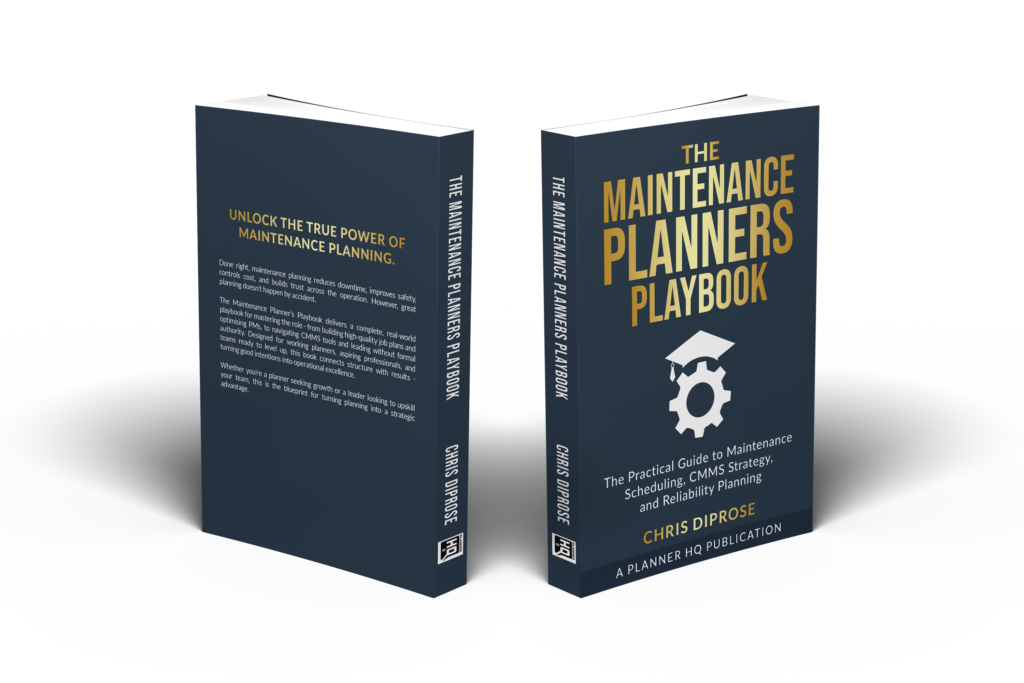
If you’re looking to go deeper into the methods and frameworks behind structured planning, job readiness, and cross-functional alignment, check out The Maintenance Planner’s Playbook — our comprehensive guide built for real-world planners.
📘 Need a practical starting point? Read 5 Reasons Your Maintenance Planning Might Be Failing or Why Is the Maintenance Planning Role Misused — both offer real insight into the challenges that effective scheduling alignment can solve.