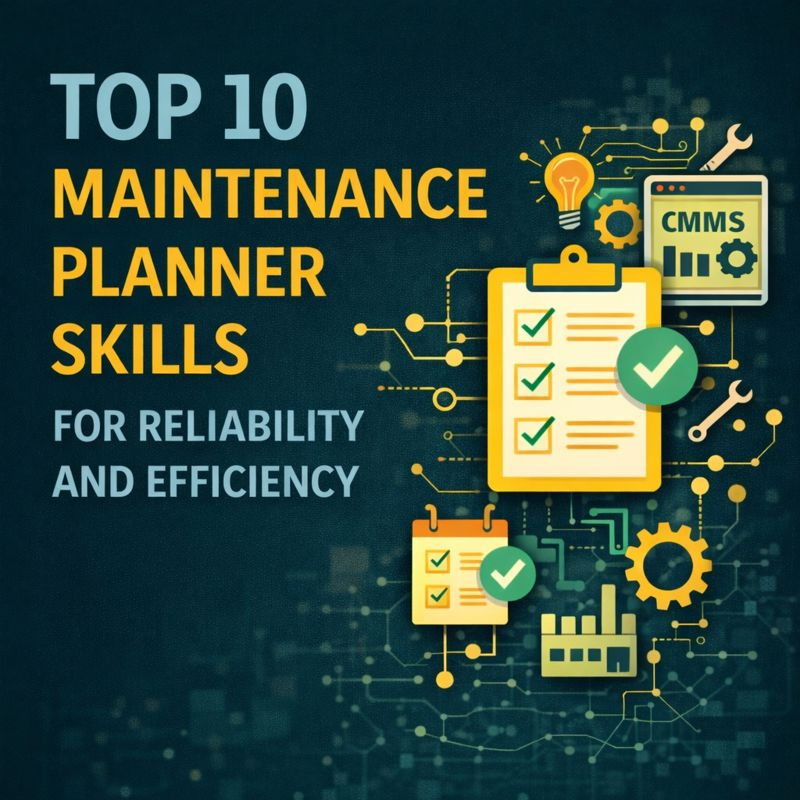
A great maintenance planner is the backbone of any effective reliability and maintenance program. Their role bridges the gap between strategy and execution, ensuring that work is planned properly, resources are allocated effectively, and assets receive the care they need to operate at peak performance. But what truly sets apart an exceptional planner from a good one? It comes down to a core set of skills that combine technical know-how, strategic thinking, and communication expertise.
In this post, we’ll break down the 10 essential skills every maintenance planner must have — and why they matter. Whether you’re new to the planning role or a seasoned professional looking to sharpen your edge, mastering these skills will help you reduce downtime, improve efficiency, and drive reliability across your organisation.
1. Technical Knowledge of Assets and Equipment
A robust understanding of the assets you’re planning for is fundamental. This means having a good foundational understanding of how your equipment works, common failure modes, and the maintenance strategies that prevent those failures. Without at least some basic technical knowledge, it’s impossible to create job plans that are accurate and effective.
Why it’s important: Planners with solid technical expertise can better communicate with technicians, identify realistic time estimates for tasks, and ensure that the right parts and tools are specified. If you’re interested in deepening this skill, our upcoming book, The Maintenance Planner’s Playbook, dives into asset knowledge and failure mode analysis.
2. CMMS Proficiency
A Computerized Maintenance Management System (CMMS) is a planner’s primary tool. Knowing how to manage work orders, track asset histories, and generate useful reports is essential.
Why it’s important: Poor CMMS usage leads to inaccurate data and wasted effort. By mastering your CMMS, you’ll improve data accuracy and provide valuable insights for decision-making. See our post on Reasons Your Maintenance Planning Might Be Failing for more on CMMS pitfalls and how to fix them.
3. Job Plan Development
Creating clear, detailed job plans is one of the planner’s core responsibilities. This includes outlining job steps, specifying tools and parts, and defining success criteria.
Why it’s important: A well-written job plan ensures consistent, high-quality execution, reduces errors, and saves technicians time by removing guesswork. Our article on How to Write Work Orders That Get Done Right the First Time shares actionable tips for improving job plans.
4. Scheduling and Coordination
Planners must understand how to build realistic schedules that align with operations and resources. This includes balancing preventive and corrective work and ensuring minimal disruption to production.
Why it’s important: Poor scheduling can lead to bottlenecks, wasted labor, or unplanned downtime. Mastering scheduling principles — like frozen weekly schedules — improves workflow and reliability.
5. Spare Parts Management
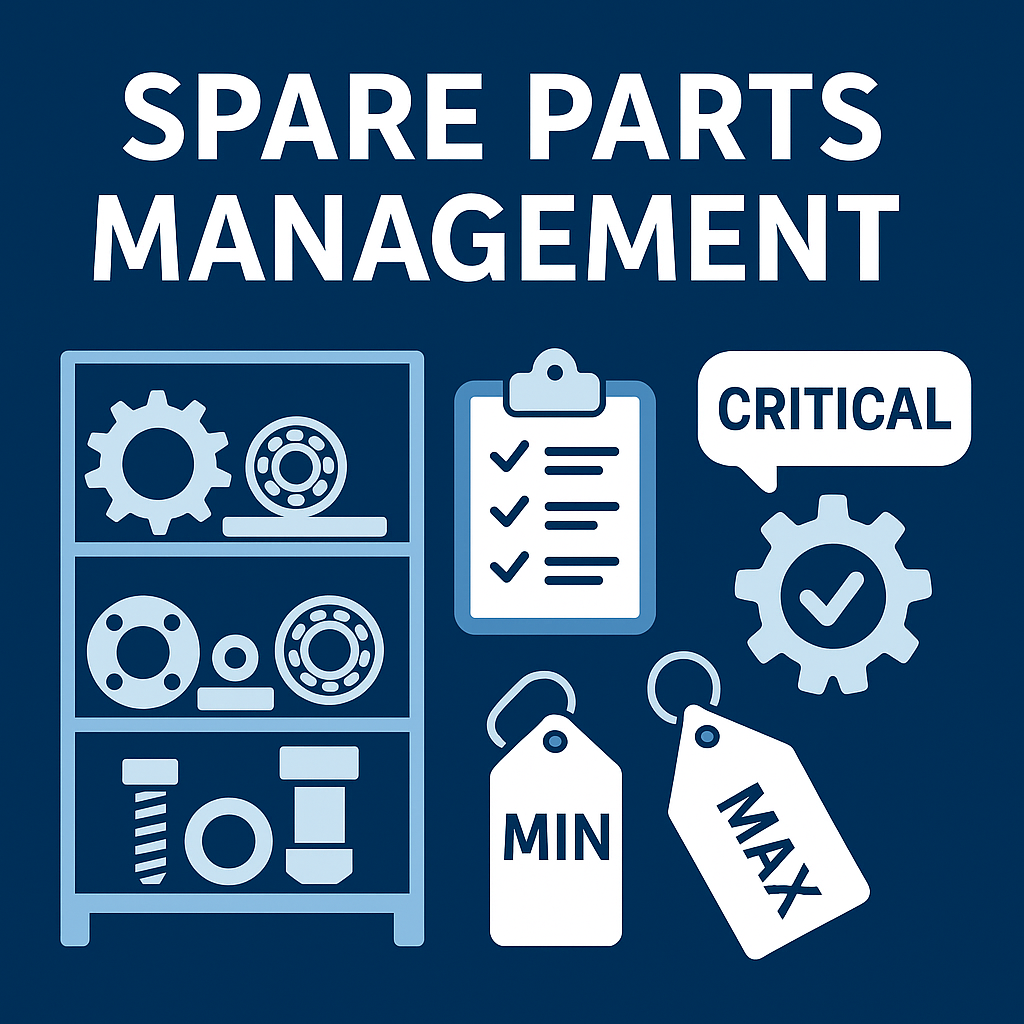
Having the right parts available at the right time is crucial for smooth maintenance execution. Planners must coordinate with stores or procurement to verify availability and manage lead times.
Why it’s important: A missing part can derail an entire job, costing time and money. Our post on Why Your Spare Parts Strategy Is Broken covers how to improve parts readiness.
6. Data Analysis and Reporting
Planners should be comfortable analyzing maintenance data to identify trends, track KPIs, and support continuous improvement initiatives.
Why it’s important: Data-driven planning helps pinpoint recurring failures, optimize PM intervals, and justify improvements. See 5 Worst Ways to Run a Weekly Schedule to learn how data influences better scheduling.
7. Communication and Collaboration Skills
Planners work with technicians, engineers, managers, and contractors. Strong communication skills help ensure that everyone understands the plan and works toward common goals.
Why it’s important: Miscommunication can lead to delays, rework, or safety risks. Building trust and fostering collaboration across teams is key to successful execution.
8. Problem-Solving and Critical Thinking
Planners must be able to identify root causes of recurring issues and proactively find solutions. This requires both critical thinking and a structured approach to problem-solving.
Why it’s important: A planner who can spot inefficiencies or weaknesses in processes will continuously improve work quality and reliability.
9. Time Management and Prioritization
With multiple work orders and competing demands, effective time management is essential. Planners must know how to prioritize work based on asset criticality, safety, and operational needs.
Why it’s important: Poor prioritization results in wasted effort and increased downtime. By mastering prioritization, you’ll ensure that the most important work gets done first.
10. Continuous Improvement Mindset
The best planners don’t just maintain the status quo — they look for ways to make processes better. This includes improving job plans, optimizing PM tasks, and leveraging lessons learned.
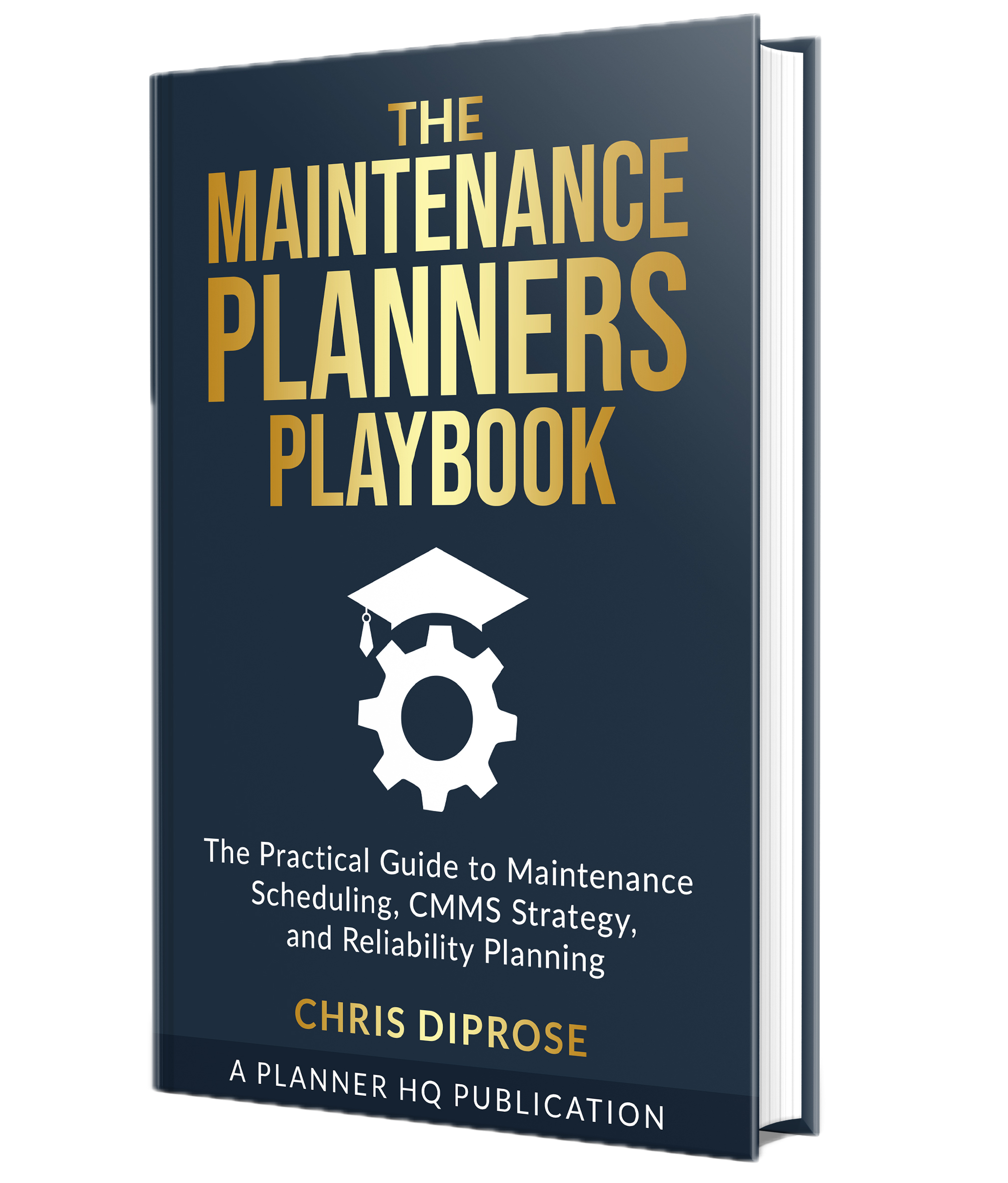
Why it’s important: A continuous improvement mindset drives efficiency, reduces costs, and increases reliability over time. This skill is explored in detail in The Maintenance Planners Playbook.
Mastering these 10 essential skills will elevate your effectiveness as a maintenance planner and improve the performance of your entire maintenance team. Whether it’s improving CMMS usage, sharpening your scheduling skills, or writing better job plans, each of these skills contributes to better reliability and asset management.
Want to take your planning skills to the next level? Check out The Maintenance Planners Playbook, and explore our related posts like 5 Reasons Your Maintenance Planning Might Be Failing for more practical insights. Lastly, be sure to regularly check back on our Digital Toolkits to see what templates, tools and resources we can help you with.