PERFORMANCE & IMPROVEMENT
Measuring, maturing, and elevating maintenance planning
Measuring, maturing, and elevating maintenance planning
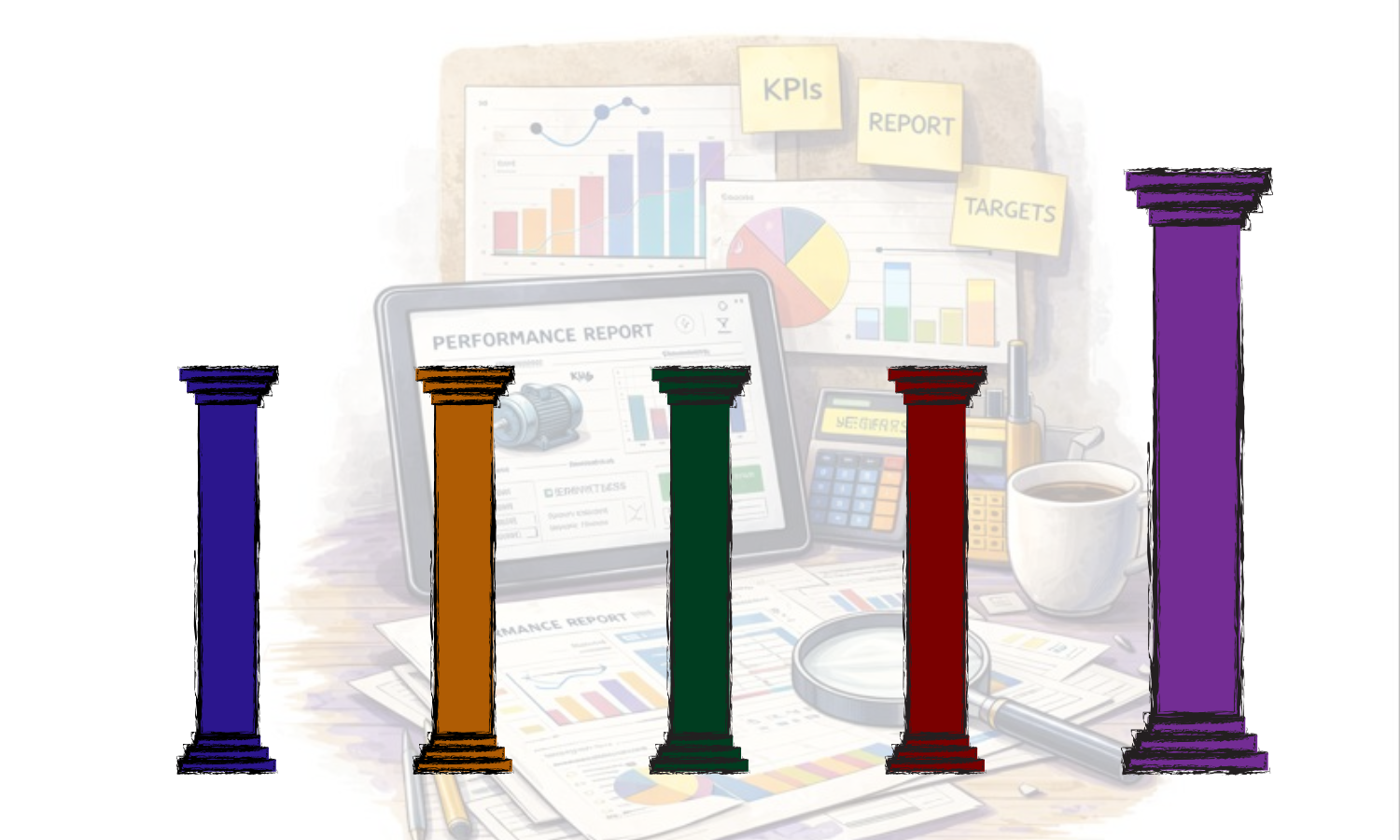
Performance, Improvement & Strategy focuses on how maintenance planning effectiveness is measured, improved, and sustained over time. It covers the use of meaningful metrics, maturity thinking, and benchmarking to move planning beyond day-to-day delivery toward long-term value creation.
This pillar looks upward and forward. It addresses how planning performance is understood by leadership, how improvement efforts are prioritised, and how organisations ensure that planning capability evolves rather than stagnates.
PILLAR 5 // Performance and Improvement – Core Topics
Planning KPI’s that matter
Not all metrics drive improvement. This topic focuses on selecting KPIs that reflect planning effectiveness rather than activity, and how poor metric choice distorts behaviour.
Measuring Planning Performance
Performance measurement goes beyond dashboards. This section explores how planners and leaders interpret performance signals and avoid misleading conclusions.
Planning Maturity and Capability
Performance measurement goes beyond dashboards. This section explores how planners and leaders interpret performance signals and avoid misleading conclusions.
Continuous Improvement in Planning
Improvement is not a one-off initiative. This section focuses on how planning functions embed learning, feedback, and refinement into normal operation.
Benchmarking and Industry Insight
Improvement is not a one-off initiative. This section focuses on how planning functions embed learning, feedback, and refinement into normal operation.
Planning and Strategic Decision Making
External perspective matters. This topic explores how benchmarking and industry data inform improvement without driving superficial comparison.
PILLAR 5 // Frameworks & Resources
The Planning Foundations pillar is supported by dedicated frameworks and long-form resources that explore these ideas in depth and translate them into practical thinking tools for planners and leaders.
These assets sit at the heart of this pillar.

The State of Maintenance Planning and CMMS Annual Report
(Coming Soon)
A deep-dive guide focused on building spare parts strategies that support maintenance planning, execution readiness, and reliability outcomes. This book will explore how criticality, bills of material, and stocking decisions should be aligned with planning needs rather than driven solely by cost or historical practice.
Written from a planning-led reliability perspective, Spare Parts Strategy will address how materials data, governance, and ownership influence execution predictability and risk. It is intended for organisations looking to move beyond reactive stocking and emergency procurement toward deliberate, data-informed spare parts management.

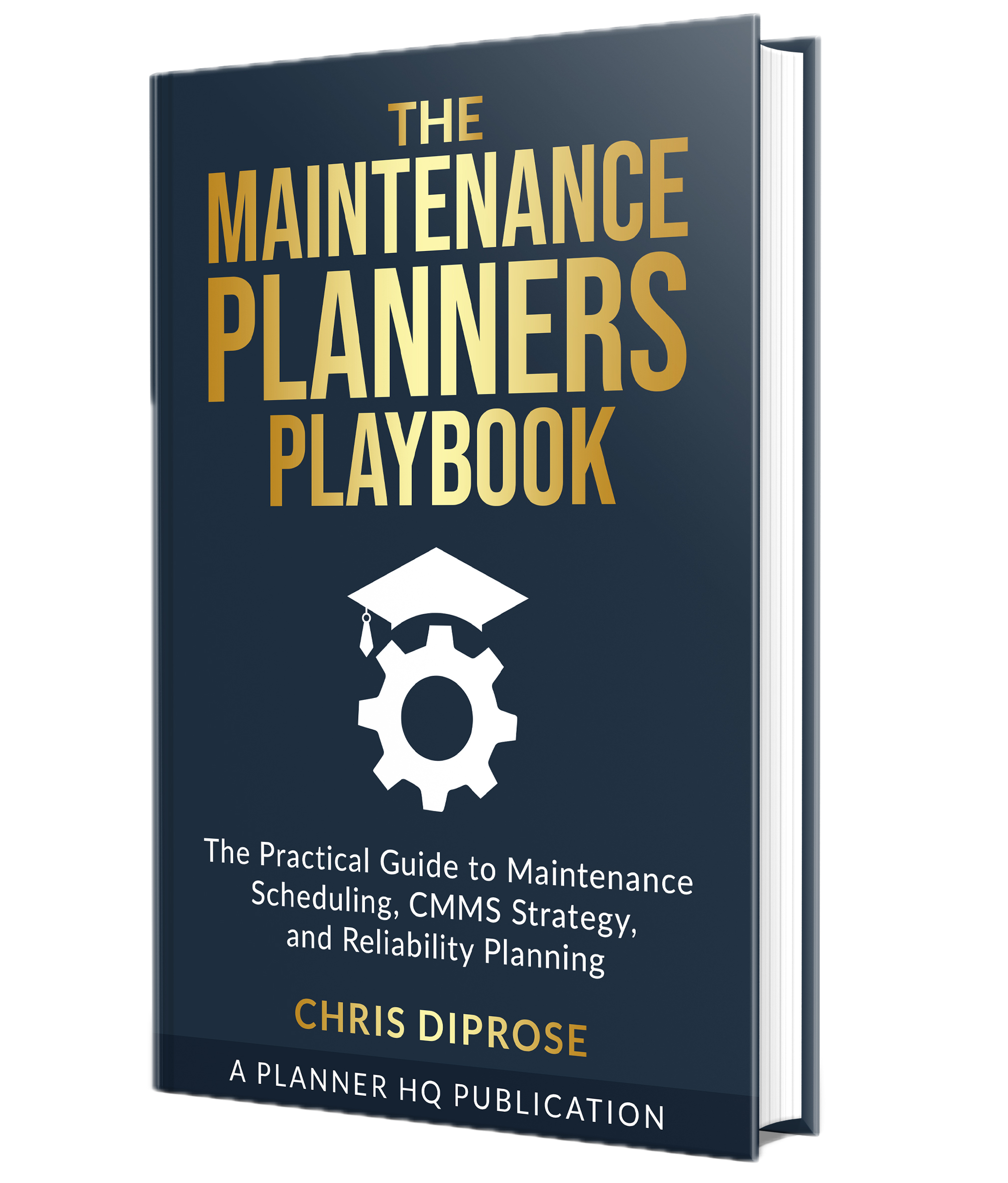
The Maintenance Planners Playbook
A practical guide to strengthening the foundations that allow maintenance plans to be executed reliably in the real world. From an asset and spare parts perspective, the Playbook explores how incomplete asset data, unclear ownership of technical information, and weak materials discipline introduce risk into planning long before work reaches execution.
The book frames asset structures, bills of material, and materials availability as core planning inputs rather than background data. It highlights how planners are often forced to compensate for gaps in asset and materials strategy, and why addressing these enablers is essential for improving execution predictability and reliability outcomes.
From an asset and materials lens, the Playbook addresses:
- How planners can engage reliability and stores teams more effectively
- How asset data quality influences planning confidence and readiness
- The planning impact of unreliable BOMs and spare parts information
- Why materials discipline is a prerequisite for schedule credibility
PERFORMANCE AND IMPROVEMENT // Key Related Articles
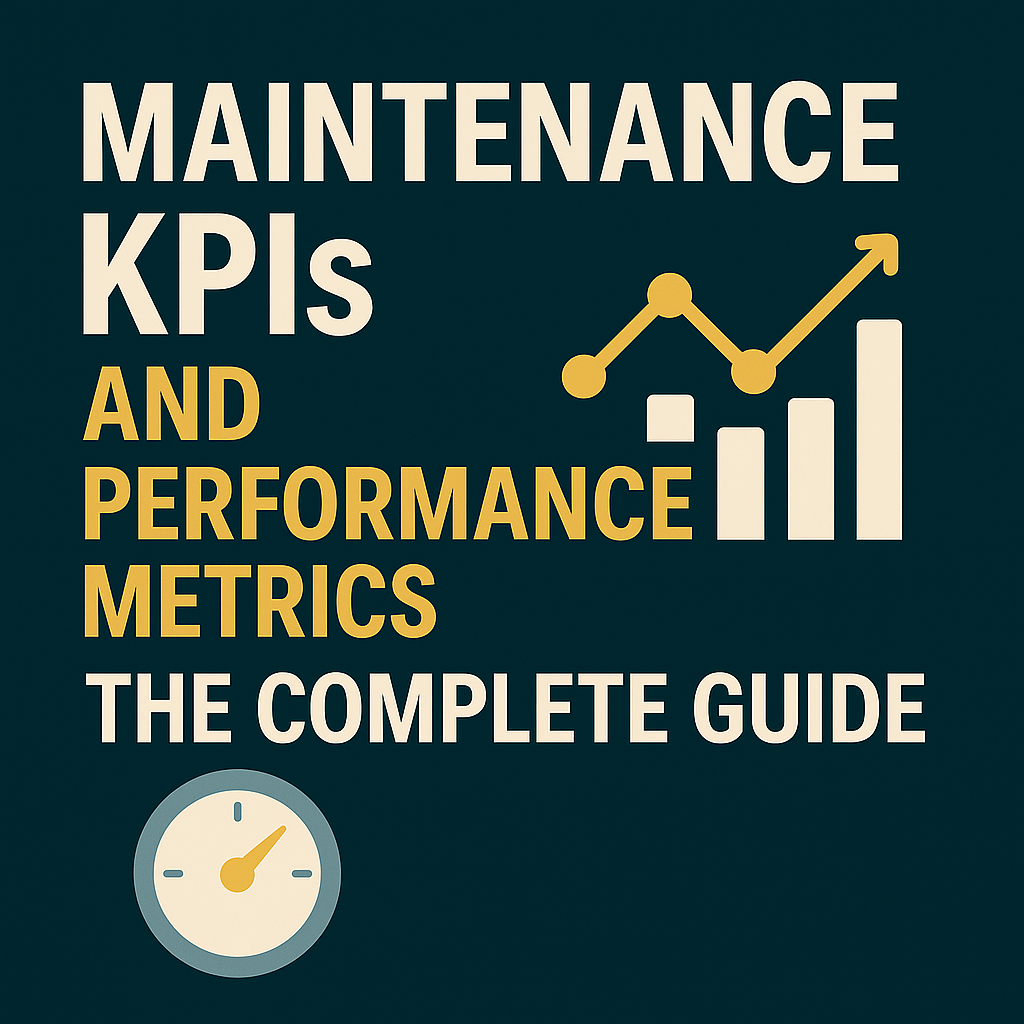
Maintenance KPIs and Performance Metrics
Maintenance planning and scheduling are built on structure, data, and continuous improvement. But without meaningful metrics, even the most disciplined maintenance programme struggles to prove its value. That’s where maintenance KPIs— key performance indicators — come in.
How to Conduct Effective PM Quality Audits
By auditing your PM tasks, you ensure that every inspection, adjustment, and lubrication activity contributes to equipment health rather than becoming a tick-box exercise
How to Audit Your Maintenance Backlog for Better Efficiency
A WO backlog can either be a sign of healthy forward planning or a red flag that signals inefficiency, misalignment, and missed opportunities. This is where a backlog audit becomes an essential maintenance planning tool.
How Performance, Improvement & Strategy Shape Planning Effectiveness
Performance measurement and improvement determine whether maintenance planning evolves or stagnates. While day-to-day execution reflects current capability, performance and strategy shape what planning becomes over time. Without meaningful measurement and deliberate improvement, planning functions often settle into stable but suboptimal patterns, appearing busy while delivering diminishing value.
From a planning perspective, performance is frequently misunderstood. Metrics are often selected based on availability rather than relevance, and reporting focuses on activity rather than impact. When this happens, planners are measured on outputs they do not control or incentivised to optimise local behaviours that do not improve system performance. Over time, this distorts decision-making and undermines trust in planning data.
Effective performance management begins with clarity of intent. Metrics should reflect what planning exists to achieve, not simply what is easy to count. When KPIs are aligned with planning purpose, they create visibility into readiness, flow, and stability rather than volume or effort. This alignment allows planners and leaders to identify meaningful constraints and direct improvement where it will have the greatest effect.
Improvement, however, is not driven by metrics alone. Without a view of planning maturity, performance data lacks context. Maturity thinking allows organisations to understand not only how planning is performing, but why. It highlights whether issues stem from capability gaps, behavioural inconsistency, system limitations, or structural constraints. This perspective prevents overreaction to symptoms and supports more deliberate, sustainable improvement.
At an organisational level, planning performance influences strategic decision-making. Reliable planning data informs investment priorities, resource allocation, and reliability strategy. When performance insight is weak or inconsistent, decisions are made based on anecdote and short-term pressure rather than evidence. Strong performance management elevates planning from an operational function to a trusted input into broader asset and operational strategy.
Performance and improvement also determine how learning is embedded within planning functions. In the absence of structured reflection and feedback, the same issues recur cycle after cycle, absorbed through effort rather than resolved through change. Continuous improvement creates space for planners to refine processes, challenge assumptions, and adapt as operational conditions evolve.
Ultimately, this pillar defines whether planning capability compounds over time. When performance is measured meaningfully and improvement is guided by maturity and intent, planning becomes more resilient, influential, and strategically valuable. When it is not, planning effort is consumed by short-term delivery with little long-term progression. Performance, improvement, and strategy ensure that planning does not merely function, but develops.
Stay Connected to the Planner HQ Learning Journey
Occasional updates when new frameworks, resources, and planning insights are released.
Why Performance, Improvement & Strategy Matter
Performance, improvement, and strategy determine whether maintenance planning improves over time or simply maintains the status quo. Without meaningful measurement and structured improvement, planning functions often appear stable while underlying issues persist unchallenged.
Strong performance management creates visibility and trust. It allows planners and leaders to understand where planning adds value, where constraints exist, and where improvement effort should be focused. This clarity supports better prioritisation, more informed investment decisions, and greater organisational confidence in planning outputs.
At a strategic level, this pillar ensures that planning capability develops deliberately rather than by accident. By linking performance insight to maturity and improvement, organisations avoid short-term optimisation and build planning functions that remain effective as complexity and expectations increase.
Who This Pillar Is For?
This pillar is particularly relevant for:
1
Planning managers and team leads responsible for developing planning capability
2
Maintenance and reliability leaders seeking visibility into planning performance
3
Asset management and operations leaders using planning insight to inform strategy
4
Organisations looking to assess, benchmark, and mature their planning function
How This Pillar Connects to the Wider System
Performance, Improvement & Strategy provide the lens through which the other four pillars are evaluated and evolved. Planning Foundations define what good looks like, while this pillar determines whether that intent is being realised in practice and sustained over time.
Work Management and Execution generate much of the observable performance signal. Schedule stability, backlog health, and execution outcomes become meaningful only when interpreted through appropriate metrics and maturity context. Without this pillar, execution data risks being misread or optimised in isolation.
CMMS and Data Governance enable reliable measurement. The quality of performance insight depends on disciplined systems and trustworthy data. Weak governance undermines confidence in metrics and limits the organisation’s ability to benchmark, trend, or improve planning capability at scale.
Asset and Spare Parts Strategy influence both performance outcomes and improvement priorities. Materials readiness, asset data quality, and reliability risk directly affect planning effectiveness and should inform where improvement effort is focused.
Together, this pillar ensures that planning does not operate in a loop of delivery alone. It connects operational activity to strategic intent, enabling organisations to measure progress, prioritise improvement, and deliberately mature their planning capability over time.
PILLAR NAVIGATION
Use the below buttons to navigate between the 5 Pillars

PLANNING FOUNDATIONS

WORK MANAGEMENT & EXECUTION

CMMS & DATA GOVERNANCE

ASSET & SPARE PARTS STRATEGY