
Category: Planning & Scheduling
-
What Should a Maintenance Planner Actually Be Measured On?
Ask most maintenance managers how they measure their planner’s performance, and you’ll get one of two answers. Either a vague reference to schedule compliance (a metric that belongs to the whole team, not the planner alone) or a blank look, followed by something along the lines of “we just know when it’s working.” Neither is… Read more
-
Functional Agreements in Organizations
Guest Article Part of our Planner HQ Contributor Series, where we feature voices from the global maintenance and reliability community. Within the body of knowledge, methodologies, processes, and best practices for asset management in many organizations, some topics stand out because they relate to how we communicate and behave as human beings, ultimately impacting business… Read more
-
The Cost of Poor Spare Parts Management
Why do spare part stock levels matter more than most organisations realise? Spare parts management rarely gets the attention it deserves. It sits quietly in the background, often viewed as an administrative or stores function rather than a core contributor to reliability, cost control, and operational risk. When it works well, no one notices. When… Read more
-
Why Maintenance Planning Is The Foundation of Reliability Strategy
Reliability is rarely short of ambition. Most organisations can clearly articulate what they want from their assets: higher availability, lower unplanned downtime, safer execution, longer asset life, and more predictable costs. Reliability strategies are often well-intentioned and technically sound, supported by frameworks, KPIs, and improvement programmes. Yet in practice, many reliability strategies never fully take… Read more
-
Why Does Maintenance Scheduling Fail In Many Organizations?
Guest Article Part of our Planner HQ Contributor Series, where we feature voices from the global maintenance and reliability community. Everyone knows that having a schedule for any task or activity significantly increases the chance of success. Whether it’s planning a trip, preparing for an exam, or saving for a major purchase, structured scheduling leads… Read more
-
A Day In The Life of a Maintenance Planner

The maintenance planner role is one of the most talked about yet least understood positions in modern maintenance organisations. Ask ten people what a planner does and you’ll likely get ten different answers. Some will say they “build job plans.” Others will describe them as schedulers, administrators, or even data analysts. In reality, the role… Read more
-
Digital Transformation – Are Maintenance Planners More Important Than Ever?

Digital transformation, in maintenance is accelerating faster than ever. New technologies appear every year promising smarter inspections, automated scheduling, AI-driven planning recommendations, advanced asset analytics, and predictive failure modelling. Industry 4.0 get thrown around all the time now. For many organisations, the shift toward digital maintenance seems to suggest that traditional roles, especially the maintenance… Read more
-
Maintenance KPIs and Performance Metrics: The Complete Guide
Maintenance planning and scheduling are built on structure, data, and continuous improvement. But without meaningful metrics, even the most disciplined maintenance programme struggles to prove its value. That’s where maintenance KPIs— key performance indicators — come in. KPIs give maintenance leaders visibility, help planners measure progress, and allow technicians and managers to align around common goals.… Read more
-
Asset Management: Connecting Maintenance to the Bigger Picture
Asset management is often spoken about in boardrooms and strategy meetings, while maintenance planning happens on the shop floor. But in a mature organisation, the two are inseparable. Every maintenance planner and CMMS specialist contributes directly to the principles defined in ISO 55001, the international standard for asset management. They may not sit in the strategy… Read more
-
The Business Case for Investing in Maintenance Planning
Maintenance planning is one of the most misunderstood functions in asset management. It rarely has a clear cost centre, it doesn’t directly fix equipment, and it often competes for attention with more visible priorities like production uptime or project work. As a result, many organisations underinvest in it; assuming it’s an administrative layer rather than… Read more
-
Planning vs Scheduling: What is the Difference and Why It Matters
In the world of maintenance and reliability, few topics cause more confusion than the difference between planning and scheduling. The two terms are often used interchangeably, yet they represent very different functions. Understanding where each fits — and why both are essential — can be the difference between a maintenance process that flows and one… Read more
-
How to Build a Weekly Planning Rhythm That Actually Sticks
Every maintenance team starts the week with good intentions. There’s a plan, a schedule, and a hope that things will run smoothly. But by midweek, reality hits, reactive jobs take over, priorities shift, and the carefully built schedule unravels. The truth is, most teams don’t struggle because they don’t have a weekly process. They struggle because they… Read more
-
The Hidden Cost of Poor Backlog Management

Every maintenance team has a backlog on their CMMS. In fact, some level of backlog is healthy and very much normal. It provides a pipeline of work, ensures technicians are never idle, and helps planners prioritise the teams activities effectively. However, when that backlog grows unchecked or is poorly structured, it becomes more than an… Read more
-
5 Proven Strategies for Better Spare Parts Management

When work orders stall, it’s rarely because technicians don’t know what to do. More often, it’s because the right parts aren’t available when they’re needed. Few things are more frustrating than watching skilled labor stand idle because a simple bearing, seal, or sensor is missing from the shelf. For maintenance planners, spare parts management isn’t… Read more
-
What Is a CMMS? A Planner’s Guide to the Essentials
CMMS. Four letters that get thrown around in every maintenance meeting, yet often misunderstood. Some companies think of it as just another piece of software. Others assume that once it’s installed, their maintenance problems will magically disappear. And then there are those who still don’t use one at all. For a maintenance planner, the CMMS… Read more
-
8 Ways to Boost Maintenance Schedule Compliance
When it comes to maintenance planning and scheduling, few metrics are watched more closely than schedule compliance. On paper, the weekly schedule might look perfect. In reality, it’s common to see only 40–60% of that work actually completed as planned. Poor compliance undermines the entire planning process. It frustrates technicians, confuses operations, and gives leadership the… Read more
-
10 Ways to Improve CMMS Data Quality
Your CMMS is only as good as the data it contains. Even the most advanced maintenance planning system will fall short if the information feeding it is inaccurate, inconsistent, or incomplete. For maintenance planners, poor data quality isn’t just frustrating — it’s dangerous. It leads to missed PMs, misallocated labor, unreliable KPIs, and confusion on… Read more
-
Top 5 KPI Metrics Every Great Planner Must Track
A great maintenance planner doesn’t just plan jobs — they track and measure their effectiveness. Without clear metrics, it’s impossible to know whether planning efforts are reducing downtime, increasing reliability, or improving efficiency. Tracking key maintenance KPIs (Key Performance Indicators) gives planners the visibility they need to identify gaps, prioritise improvements, and demonstrate the value of structured… Read more
-
Why Every Maintenance Planner Needs The Maintenance Planners Playbook

Why Was The Maintenance Planners Playbook Book Written? Maintenance planning is one of the most misunderstood and undervalued roles in many organisations. Too often, planners are seen as administrators rather than the strategic linchpin between maintenance, operations, and reliability. This misunderstanding leads to a cycle of reactive work, firefighting, and wasted resources. The WHY behind The Maintenance Planner’s… Read more
-
How to Audit Your Maintenance Backlog for Better Efficiency
A maintenance backlog can either be a sign of healthy forward planning or a red flag that signals inefficiency, misalignment, and missed opportunities. The difference lies in how the backlog is structured, managed, and audited.For many organisations, maintenance backlogs grow quietly — unnoticed until they impact uptime, force teams into reactive work, or skew KPI reporting.… Read more
-
How to Align Operations and Maintenance Scheduling for Success
One of the biggest challenges in maintenance planning is aligning the goals of operations and maintenance teams. Operations aim to maximize uptime to meet production targets, while maintenance needs sufficient planned downtime to carry out essential preventive and corrective work. When these priorities are not aligned, schedules clash, work is delayed, and overall reliability suffers.… Read more
-
5 Worst Ways to Run a Weekly Schedule (and How to Fix Them)

A weekly maintenance schedule is the backbone of reliable work execution. It takes all the planned work, matches it with available resources, and aligns it with operations to make sure the right jobs get done at the right time. But when a weekly schedule is poorly built or managed, the result isn’t just inefficiency —… Read more
-
Top 10 Maintenance Planner Skills for Reliability and Efficiency
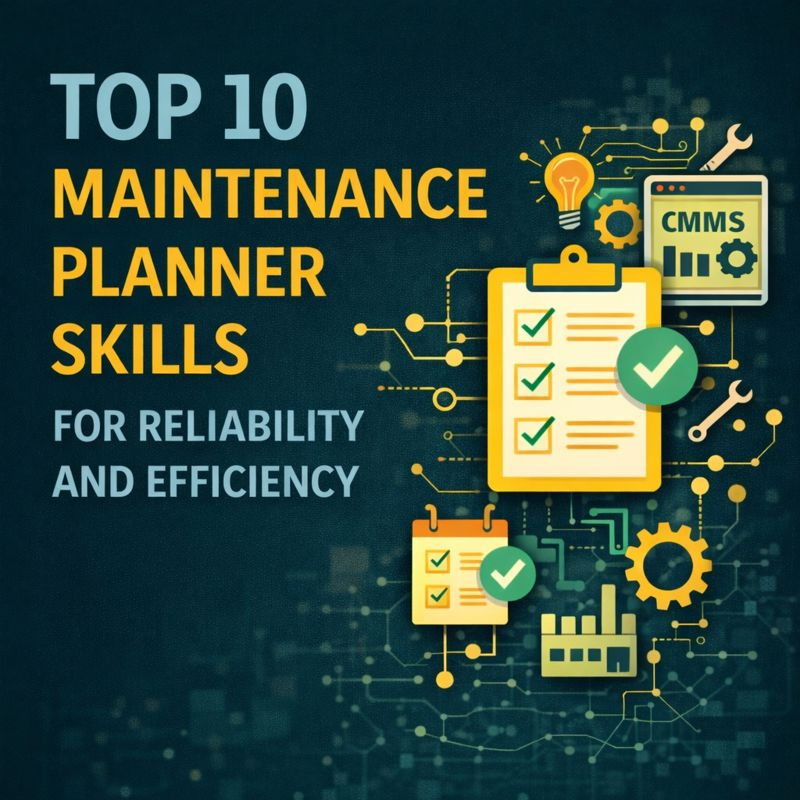
A great maintenance planner is the backbone of any effective reliability and maintenance program. Their role bridges the gap between strategy and execution, ensuring that work is planned properly, resources are allocated effectively, and assets receive the care they need to operate at peak performance. But what truly sets apart an exceptional planner from a… Read more
-
Planning for Downtime Windows: Making the Most of Every Minute
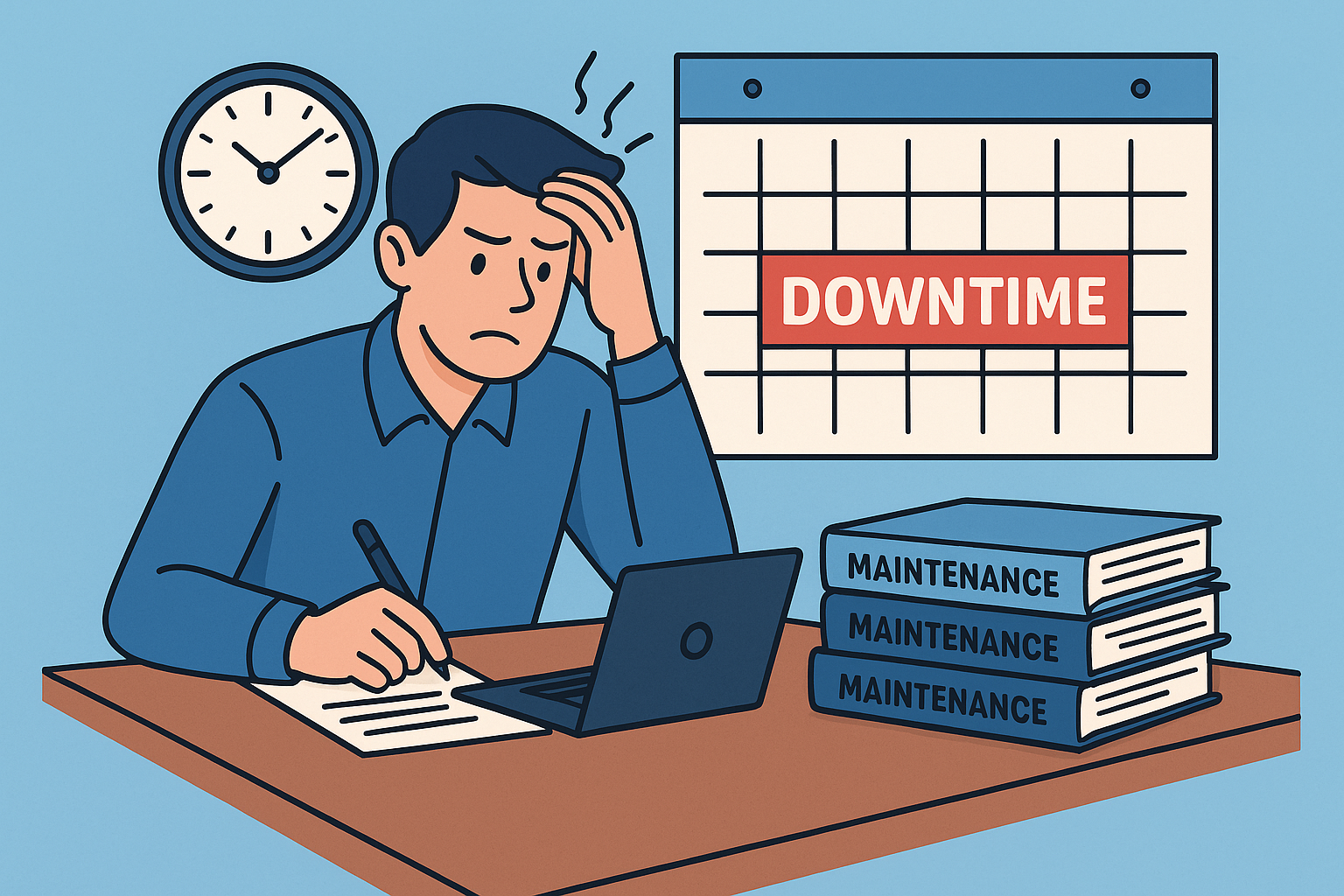
There’s a particular kind of pressure that comes with planning for a maintenance downtime window. It’s not like planning a regular job. There’s more at stake, and fewer chances to get it wrong. The window opens… and the clock starts. From that moment, every minute counts. You don’t get an extension. You don’t get a… Read more
-
What a Good Job Plan Actually Looks Like

Job planning is one of the planner’s core responsibilities — and one of the most overlooked opportunities for improving maintenance performance. Too often, job plans are vague, inconsistent, or skipped altogether. And when that happens, everything downstream suffers: technicians waste time, work is incomplete, delays pile up, and reliability takes a hit. But what exactly… Read more